Choose a sunny site with fertile, moisture retentive soil - dig in plenty of compost or organic matter before planting
Celeriac is better grown in the ground or in raised beds
Plant 40cm apart
Growing Tips:
Celeriac is a thirsty plant - it will produce much better sized root if you keep it well watered and avoid letting the soil dry out.
Mulching will really help during hot, dry spells
Feed with a liquid feed in the summer months
Problems & Pests:
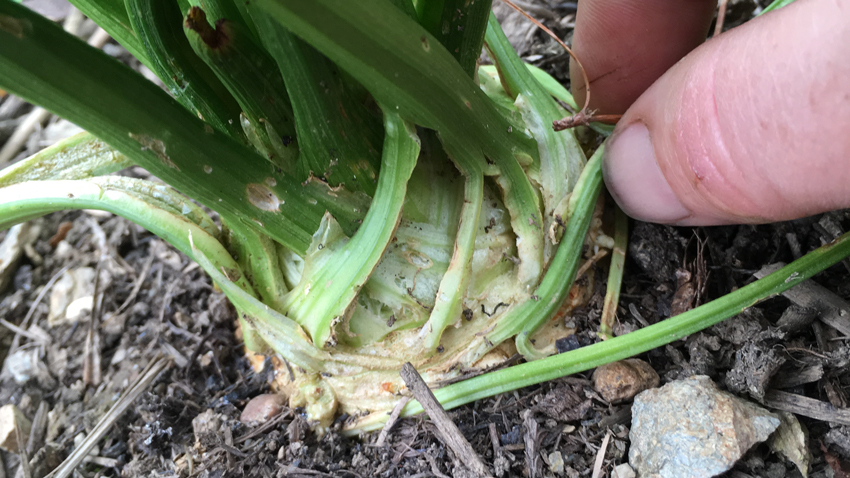
Celeriac root is not forming properly - small sized roots, or no roots at all, can be attributed to lack of water and/or nutrients. If they are grown in fertile soil and kept well watered, the roots should swell quite nicely in late autumn. Another possibility is that the plants are too close together.
Slugs can sometimes bother celeriac, although they do tend to choose other plants in the veg patch first. Still, it is worth protecting younger, more vulnerable plants.
Celery fly - these tend to damage leaves, so shouldn't hurt the celeriac itself. However, if you do see grubs burrowing in the leaves, cut off affected leaves and discard.
Harvesting/Storing:
Celeriac takes a few months to fully mature so will be ready for harvest between late autumn and mid winter.
If you are leaving it in the ground during the colder months, protect from frost by mulching with straw
Once harvested, remove the foliage and celeriac will store in a sack in a cool, dry place, or in the fridge, for a couple of weeks or so.